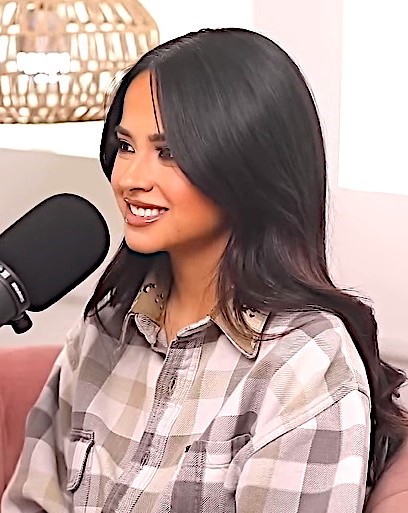
Photo: Shan BOODY (YouTube), CC BY 3.0
A Mexican-American singer and actress who broke out on YouTube before becoming a major bilingual pop star, Becky G has joined a small group of entertainers investing in consumer food brands.
The investmentBecky G was among the celebrity and athlete investors — including Amy Schumer, Mark Wahlberg and Odell Beckham Jr. — in SkinnyDipped’s $12 million Series A round in 2023, led by entrepreneur David Grutman.
Source: TechCrunch — Read the original reporting →
When the lead is an operator, not a fund
SkinnyDipped's US$12 million Series A in 2023 was led by the entrepreneur David Grutman, not by a venture firm. The identity of a lead investor shapes a round more than the amount does.
A fund leading a round brings a process — diligence, negotiated terms, a board seat, reporting obligations and a mandate to push for growth on a defined timetable. An individual operator leading brings relationships, category knowledge and usually a lighter touch on governance. For a snack brand, an operator with hospitality and consumer-brand reach may genuinely be more useful than a fund. It is a different deal though, and the difference sits in the terms rather than the headline.
A cap table assembled for reach
The round included a notable concentration of well-known names — a comedian, an actor, a professional athlete, a singer. When a consumer brand's investor list reads like that, it is generally not coincidence. It is a strategy the company chose.
The logic is straightforward: each investor is a distribution channel, and for a product competing for shelf space and attention, that is worth more than the same money from an anonymous source. The limit is equally straightforward. A famous cap table tells you a company is good at recruiting famous people. It tells you nothing about unit economics, margins or whether the product sells without the names attached — and those are the things that decide whether the business works.